
You’ve put in the hours. Maybe it was years of grinding for rare skins, leveling up characters to max, or assembling a collection of items that most players only dream about. Now you’re thinking about moving on — and you want to get something back for all that effort. That’s completely understandable.
Selling a game account has become a real marketplace, with thousands of transactions happening every day across platforms like PlayerAuctions, G2G, and various game-specific forums. But it’s also a space where things can go wrong fast — accounts can get banned, payments can be reversed, and scammers are always looking for their next target.
This guide walks you through everything you need to know to sell your game account successfully and safely. You’ll learn how to check whether selling is even allowed, how to price your account realistically, where to list it, and how to protect yourself from fraud every step of the way.
Can You Actually Sell Your Game Account? Checking the Rules First
Before you do anything else, you need to read the Terms of Service (ToS) for the game you’re selling. This single step can save you from a situation where you lose both the sale and the account.
Most major game developers — including Riot Games (League of Legends, Valorant), Blizzard (World of Warcraft), and Epic Games (Fortnite) — explicitly prohibit the sale, trade, or transfer of accounts in their user agreements. Violating these rules can lead to a permanent ban. That means the buyer ends up with nothing, the sale collapses, and you may face a chargeback dispute on top of it.

What to Look for in the ToS
- Search for phrases like “account transfer,” “account sale,” or “ownership” in the Terms of Service
- Check if there’s a specific section on prohibited activities
- Look for details on what happens to your account if you violate these rules
- Some games like Path of Exile and older MMOs have more relaxed stances — always verify for your specific title
Even if the ToS technically prohibits account sales, enforcement varies wildly by game and developer. Some games have thriving marketplaces with little enforcement; others actively ban accounts they detect are being sold. Know your game’s specific situation before proceeding.
How to Value Your Game Account: Pricing It Right
One of the most common mistakes sellers make is guessing at a price. Either they overprice the account and it sits unsold for months, or they underprice it and leave serious money on the table. Getting the valuation right takes a bit of research, but it’s worth the effort.
Factors That Affect Your Account’s Value
Character or account level is a baseline — but it’s rarely the only thing buyers care about. What really drives the price up are the harder-to-get things: limited-time skins or cosmetics that are no longer obtainable, rare weapon blueprints, high competitive rankings (think Diamond or above in most games), exclusive titles or badges, and large collections of in-game currency.
Account age also matters. Older accounts often come with perks or legacy content that newer accounts can’t access, which buyers are willing to pay a premium for. Similarly, accounts with clean histories (no prior bans or warnings) are considered more valuable because they carry a lower risk of sudden suspension.
How to Research Comparable Prices
Spend an hour browsing the platform you plan to use — look at accounts similar to yours that have already sold, not just ones currently listed. Active listings tell you what sellers are asking; completed sales tell you what buyers are actually paying. That distinction matters.
Check multiple platforms to get a range. Prices for the same type of account can vary significantly depending on where it’s being sold and who the typical buyers are on that platform. Set your price slightly above your minimum acceptable offer to leave room for negotiation.
Choosing the Right Platform to Sell Your Gaming Account
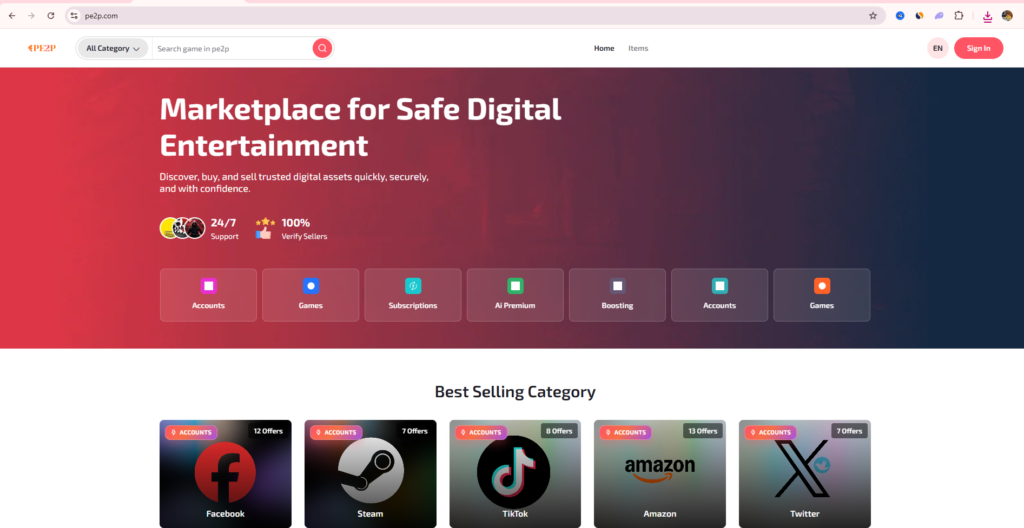
Where you sell your account is just as important as how you price it. The right platform protects you, increases your chances of a quick sale, and gives you recourse if something goes wrong.
What Makes a Selling Platform Trustworthy?
- Escrow services: Payments are held securely until both parties confirm the transaction is complete
- Dispute resolution: The platform actively mediates when things go wrong
- Verified reviews: Buyers and sellers both leave feedback, creating accountability
- Clear fee structure: You know exactly what the platform takes before you list
- Active user base: More buyers means faster sales and better prices
Well-known platforms in this space include PlayerAuctions, G2G, and EpicNPC. Each has different fee structures, supported games, and user communities. Research which one is most active for your specific game before committing.
Avoid selling through Discord servers, Reddit posts, or direct social media messages unless you have an extremely high level of trust with the buyer. These channels have no built-in protections, and recovering your money after a scam through these routes is nearly impossible.
Protecting Your Personal Information During the Sale
This is the step that many sellers rush through, and it’s where they get burned. Your game account is tied to your personal information in more ways than you might realize, and handing it over without preparation can expose you to real harm.
Steps to Secure Your Data Before Transfer
Start by removing any payment methods linked to the account. This includes credit cards saved for in-game purchases, PayPal accounts, and any stored billing information. Even if you trust the buyer, payment details have no business being part of a game account sale.
Create a brand-new, dedicated email address for the sale. As noted in our full guide on selling game accounts, before handing over your account, it’s wise to set up a fresh email address exclusively for account sales. Buyers typically need access to the registered email to change passwords or account settings. Providing a separate email keeps your personal inbox — and everything connected to it — completely out of the transaction.
Also, log out of all devices, revoke any third-party app access to the account, and disable two-factor authentication on your personal number before migrating it to the buyer. Document every step you take — screenshots of the process create a paper trail that’s valuable if a dispute arises.
How to Spot and Avoid Scams When Selling Gaming Accounts
Fraud is one of the biggest risks in the game account marketplace, and scammers have become increasingly sophisticated. Understanding the most common schemes is your best defense.
Common Scams Targeting Game Account Sellers
The Chargeback Scam: The buyer pays via PayPal or a similar service, receives the account credentials, then files a payment dispute claiming they never received what was promised. The payment platform reverses the charge, and the scammer keeps the account.
Overpayment Offers: Someone offers to pay significantly more than your listed price. This is almost always a setup for a more complex scam, often involving fake payment confirmations or subsequent requests for refunds.
Fake Escrow Services: A buyer suggests using a specific escrow site that they recommend. That site turns out to be fake — controlled by the scammer — and the money you think is held safely never actually exists.
Rushing Tactics: Scammers often create artificial urgency, pressuring you to act before you’ve had time to verify anything. Legitimate buyers understand that a secure sale takes a little time.
How to Stay Protected
- Only use the escrow service built into your chosen platform — never one suggested by the buyer
- Never transfer account credentials until payment is confirmed through the platform’s official system
- Check the buyer’s profile, rating history, and number of completed transactions
- Trust your instincts — if an offer feels off, it probably is
What to Do After the Sale: Closing the Loop
The transaction isn’t really over when the money clears. There are a few important steps to take after you’ve transferred the account to make sure everything is truly wrapped up.
First, change the password and recovery email on the dedicated sales email account you used. Even though the buyer has the game account credentials, you want to make sure they can’t use the email to access any of your other linked accounts. Then, delete or deactivate that email address entirely.
Keep records of the transaction for at least 30 days — confirmation emails, screenshots of the account state at time of sale, and any communications with the buyer. Many platforms have a dispute window, and having documentation protects you if the buyer files a claim after the fact.
Finally, leave an honest review of the buyer on the platform. This helps other sellers know who they’re dealing with, and contributes to the overall health of the marketplace.
Frequently Asked Questions About Selling Game Accounts
- Is it legal to sell a game account?
Selling a game account is not illegal in most countries — it’s a civil matter, not a criminal one. However, it typically violates the game developer’s Terms of Service, which can result in the account being permanently banned. The legality of the sale itself (as a private transaction between two people) is separate from whether it violates the game’s user agreement. Always check the specific ToS for your game.
- How much is my game account worth?
Your account’s value depends on the game’s popularity, your account’s level, any rare or exclusive items, and current demand from buyers. The best way to gauge value is to browse completed sales on established marketplaces for accounts similar to yours. Accounts in popular games with high-level characters and rare cosmetics can sell for anywhere from $20 to several thousand dollars.
- What payment method is safest for selling a game account?
The safest option is using the escrow system built into a reputable account-selling platform. This holds payment until both parties confirm the transaction is complete, protecting you from chargebacks. If you must use a standalone payment method, cryptocurrency transactions are non-reversible (which protects sellers), but they’re not ideal for all buyers. Avoid direct PayPal friends-and-family payments — they offer you zero protection.
- Can I get banned for selling my account?
Yes, in most games, selling your account violates the Terms of Service and can result in a permanent ban on the account being sold. Some developers also take action against the seller’s other accounts. The risk level varies by game — some developers actively monitor for account sales, others rarely enforce these rules. Understand your specific game’s enforcement history before proceeding.
- What information do I need to give the buyer?
Typically you’ll transfer the account’s username or ID, the associated email address (use a dedicated one, never your personal email), and the current password. The buyer will then change these details to take full ownership. Never share additional personal information — your real name, phone number, home address, or payment details are not required and should never be part of the transaction.
- Ready to Sell? Start with Safety and Set Yourself Up for Success
Selling a game account can genuinely pay off — but only when you approach it with the right preparation. The sellers who get burned are almost always the ones who skipped a step: they didn’t check the ToS, they used the wrong platform, they rushed a transaction, or they handed over personal details they shouldn’t have.
Do the groundwork first. Understand the rules, price your account honestly, pick a reputable platform with escrow protection, and keep your personal information completely separate from the deal. Those four steps alone will put you in a much stronger position than the average seller.
For a deeper look at protecting your personal data during the transfer process — including exactly how to set up a separate email for account sales — check out our detailed guide at rogersmithbooks.com. It covers the specifics of keeping your real email and payment information safe through every stage of the sale.
The gaming market isn’t going anywhere — neither is the secondary marketplace for accounts. Whether you’re cashing out after years of play or making room for a new game, a well-planned sale puts real money in your pocket without unnecessary risk. Take the time to do it right.


helpful and Information, thanks